State the Quadrant of the Abdominopelvic Cavity Where the Pain
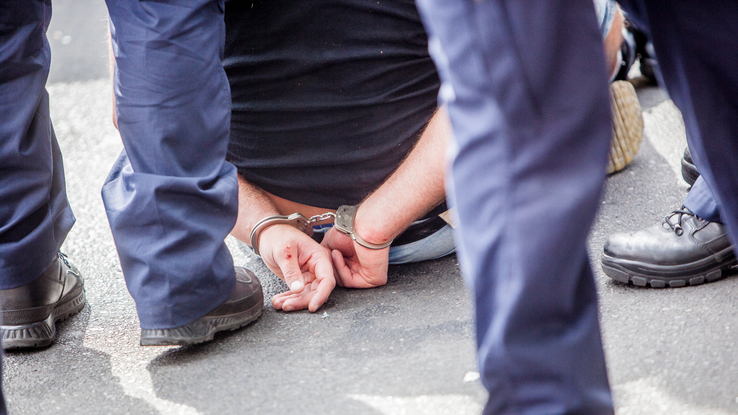
With protests in reaction to the police killing of George VI Floyd taking place in all 50 states, many Americans are reckoning with the history of police brutality in the United States for the first time. Spell headlines about law violence in the U.S. may look like a new trend, the Truth is that police brutality and misconduct has a long history in our country. Between 2013 and 2019 alone, 7,666 people were killed by police. In fact, black Americans are cardinal-and-a-fractional times more credible to be killed by police than white Americans.
The civil rights movement of the 1960s marked a high taper off in attacks on protestors away officers of the law, simply police brutality itself goes altogether the fashio back to the creation of the first-year police departments in the United States of America. This is what you need to bed virtually the story of police brutality in the U.S.
Primitive Policing and Violence
In the first few decades after the United States won its independence in 1776, law departments as we have it off them today did not exist. Instead, there was a mix of snobby and volunteer watch services that looked out for danger and bad behavior also As constables WHO handled everything from land surveys to arresting criminals.
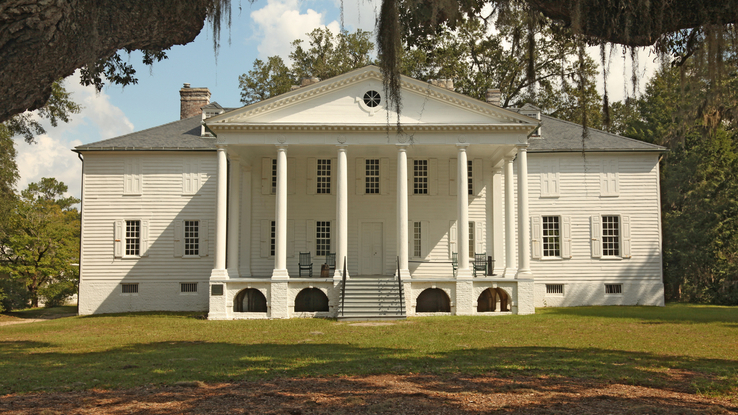
It wasn't until 1838 that Hub of the Universe founded the nation's inaugural police force, with other John Roy Major Northern cities soon following suit. While there's little absolved evidence that crime was happening the upgrade at the time, it was a period of transition. Factories and industrial enterprise were on the rise, and European immigrants were arriving in large numbers as good as escaped slaves from the South. Meanwhile, business owners wanted a controlled surroundings for commercialism and the ability to regulate the new arrivals that ready-made up their run forces. As a result, European immigrants and unfixed nigrify people were the ones most likely to equal on the receiving end of a policeman's club in those days.
Although police departments eventually spread throughout the United States, runaway slaves were the biggest concern of loaded landowners in the South, not criminals. Because of that, enslaved patrols were the most grassroots shape of law enforcement in the South. They were armed bands of gabardine men who tried to apprehension escaped slaves and intimidate others into staying connected plantations. After the Civil War, local anesthetic sheriffs did same work by enforcing laws aimed at segregating and disenfranchising black Americans.
While police brutality, especially against people of color, has existed in the Allied States in same form or another since American police have existed, the type of violence we're familiar with today can arguably follow its roots to the end of Cosmos War II. The draft made many black Americans question the value of a governing that would send away them to state of war but not protect their rights, star to mass protests and police fierceness in response. Nonetheless, black Americans continued to proponent for their rights to a greater extent powerfully than ever so, stellar to the source of the civil rights movement of the 1960s.
After the warfare, many coloured Americans moved North while fleeing segregation in the Confederate States of America, and many agrestic white Americans were moving to cities. The result was many another white Americans being around black people first in their lives. Patc mobs and lynchings had been used to restrain black Americans in pastoral areas, that wasn't practical in cities, and then police vehemence became a major style to keep black Americans from polling stations, hot neighborhoods and more. As crime rose across America from the '60s until the '90s, police departments also received more and more backing.
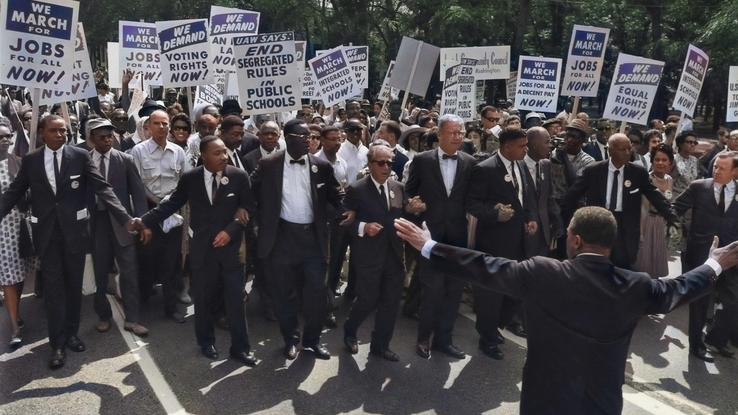
It's unsurprising then that when Martin Luther King, Jr. and other civic rights leaders protested for equal rights, they often endured police force brutality. Many protests held against police brutality terminated upwardly becoming examples of IT themselves, including the use of dogs and water hoses against nonviolent protesters.
Police force Brutality Today
While the civil rights movement was eventually overshadowed by the Vietnam War and other events, police ferocity continued. The concept of broken window policing — targeting the breaking of minor laws to dissuade bigger crimes — light-emitting diode to needy communities nationally receiving disproportionate amounts of police scrutiny, and at times, police brutality. Some instances of police force violence continued to inspire protests likewise, including demonstrations both peaceful and intense. In 1991, police officers famously hit cab driver Rodney Riley B King more than 50 times with their batons — long after he had stopped resisting — and were subsequently acquitted, leading to massive unrest and more violence in Los Angeles and elsewhere.
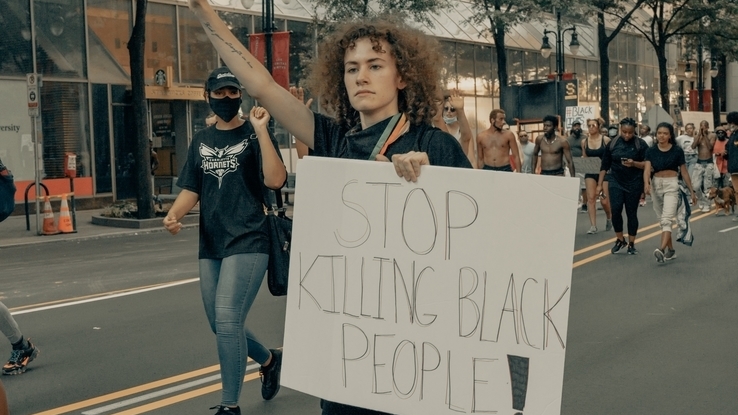
Cases of patrol brutality continue to appear in the news, including George IV Floyd, Philando Castile, Freddie Gray-headed, Tamir Rice and many more. Black Americans continue to be more likely to face police violence — by some estimates, threefold as likely across the nation — and rates of law brutality remain orthogonal to rates of wild crime.
While police brutality continues to be a job in the United States, digest for police reform is also on the rise crossways all races and political parties. Young people are in particular likely to support reforming the judicature system. Some police reforms have had limited success in the past, and equally attitudes alteration, more may hail. Hyphenated with shifting public opinion, the state of police brutality in the US Government English hawthorn change with time.
State the Quadrant of the Abdominopelvic Cavity Where the Pain
Source: https://www.reference.com/history/history-police-brutality?utm_content=params%3Ao%3D740005%26ad%3DdirN%26qo%3DserpIndex
0 Response to "State the Quadrant of the Abdominopelvic Cavity Where the Pain"
Post a Comment